Every morning, for the eight people in the morning, starting from the subway in the morning rush hour, it is a common thing for us to run, bow your head and swipe your mobile phone, and wait in line for the train to enter the station every day. But sometimes when we are empty, do we also think about how this "underground dragon" that transports millions of people every day runs?
In the depths of the tunnel you can't see, there is a huge power grid that forms an "energy invisible guard" that is operating silently, and they work together to make the most of every kilowatt-hour of electricity, and also give us more stability and calmness on our daily commuting.
PART.01
"Invisible Guard": A precision power grid
This "invisible escort team" is mainly composed of two major sections: traction power supply system and power lighting power supply system.
1. Traction power supply system: Specially designed to power trains.
Traction substations: one every few kilometers along the line. It converts medium voltage electricity (such as 35kV) into direct current (commonly used in China DC1500V or DC750V for trains).
Feeder: Delivers DC power from the traction substation to the power supply rail.
2. Power lighting power supply system: power supply to all equipment in the station and tunnel.
Step-down substations: Usually every station has a civil/industrial power that steps down medium voltage to 380V/220V.
Power supply objects: including station lighting, elevators and escalators, ventilation and air conditioning, platform doors, ticket vending machines, communication signal systems, dispatch centers, etc., which are the "nervous system" and "life support system" of subway operation.
PART.02
How does it support the safe and efficient operation of the entire subway?
For the subway, the power supply system is much more than "powering". It is a large-scale industrial-grade power supply solution integrating high-voltage power transmission and transformation, high-power rectification, intelligent power distribution, power electronics, real-time monitoring and redundancy control.
Mobile Level (Train):
Traction power: Drive hundreds of tons of trains to accelerate and run at a constant speed.
On-board system: power supply for cabin lighting, air conditioning, broadcasting, display screen, door control, etc.
Node level (station):
Passenger services: lighting, ticket inspection, elevator escalators, platform doors.
Operation support: station control room, communication equipment, fire protection system, security monitoring.
Environmental maintenance: Huge ventilation and air conditioning system to maintain air quality and temperature in the underground space.
Neural and control level (full):
Signaling system: This is the brain of the subway's safe, high-density operation. It controls train travel intervals, paths, and speeds, and all data communication relies on a stable power supply.
Dispatch Center: Monitor and command the "heart" of the entire train.
Communication system: vehicle-ground wireless communication, wired dispatch telephone, passenger information system.
At the level of emergency plans:
UPS uninterruptible power supply: Provide pure, stable and uninterrupted electrical energy for the "nervous system" such as control, communication, signaling, and automation.
EPS emergency power supply: used to ensure the power supply of emergency lighting, fire protection facilities and other primary loads in the event of power interruption. When the mains power is normal, it is powered by a switching device and charged the battery; When the power is cut off or the voltage is abnormal, the controller starts the inverter to switch to the battery for power supply, and automatically switches back to the mains power after recovery.
PART.03
Safety and reliability: How to be "foolproof"?
1. The subway power supply adopts the military-grade design of "hierarchical partitioning and redundant backup".
• Layering: 110/220kV main substation → 35/10kV medium voltage ring network → 400V/230V low-voltage distribution → DC1500/750V traction network.
• Zoning: Each traction substation and step-down substation is responsible for a clear power supply zone, and fault isolation is achieved through jump protection.
• Power supply system N-1 principle: any main substation or a power supply line is withdrawn, and the backup power supply can be switched inductively to ensure the normal operation of the whole line.
2. Backup Power Supply (UPS/EPS): Provides uninterrupted power supply for key equipment (such as signaling systems, dispatch centers, emergency lighting, and ventilation). Automatically switches when the power is lost to ensure continuous operation.
3. Full life cycle management: From the planning stage, safety facilities should be designed synchronously, and the whole life cycle management of key equipment such as vehicles and signals should be implemented, and a quality credit traceability mechanism should be established.
4. Intelligent operation and maintenance: promote "smart maintenance", use sensors and data analysis to realize early diagnosis and accurate positioning of equipment faults, and change "fault repair" to "preventive repair".
PART.04
What role does Huifec play in it?
To put it simply, Huiye Da plays the role of "safety guard" and "energy steward" of key equipment in the subway system. It is a "specialized, special and new" high-tech enterprise focusing on providing various high-reliability industrial power supply and monitoring systems for the subway, and its products are deeply integrated into a number of key safety links of the subway, and its main product line can be summarized as:
Platform door power supply system
The first line of defense for safety: Platform doors are a safety barrier that separates passengers from the track. Its power systems are designed for high reliability, such as using pure DC power supply solutions, to avoid the risk of platform door failures that can lead to station-wide platform door failures.
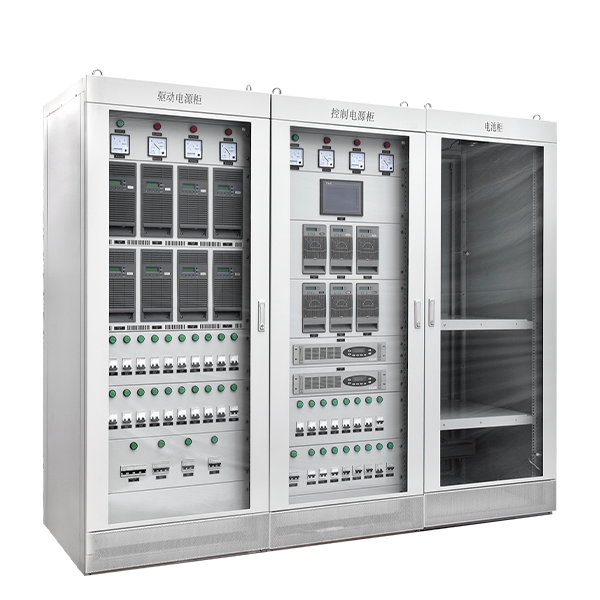
AC and DC power supply systems
Guarantee the underlying power architecture: It mainly solves the problems of power conversion, distribution and guarantee, not a single equipment, but a system composed of traction rectifier unit (AC/DC), distribution transformer (AC/AC), UPS/EPS (AC/DC/AC), etc. Determine the power quality and standard of the entire power supply network.
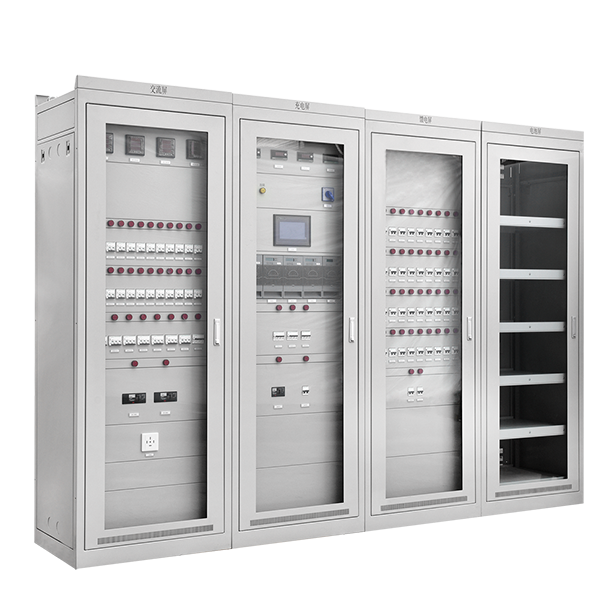
Smart lighting and emergency power supply
Smart lighting power system: It not only drives LED lights, but also achieves energy saving through intelligent dimming. For example, the Xiamen Metro's intelligent driver automatically adjusts brightness based on ambient light and pedestrian density.
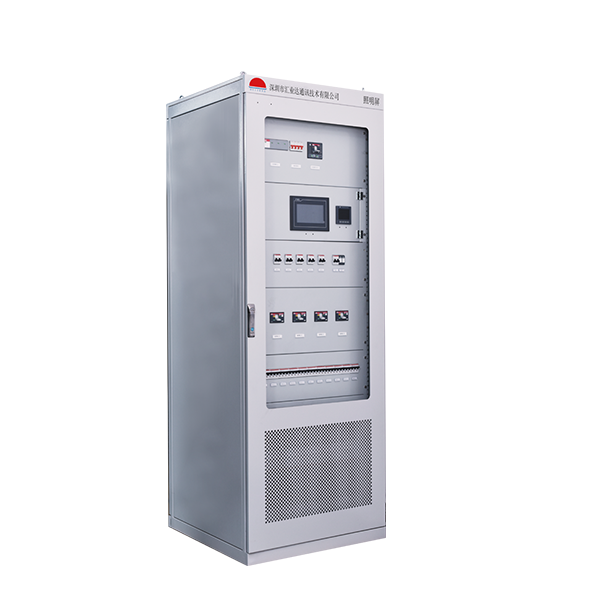
Intelligent emergency lighting and evacuation power system: Modern subways adopt centralized power supply intelligent system, in the case of fire and other emergencies, the evacuation indicator sign can intelligently adjust the direction according to the fire location, and dynamically plan the best escape route, far exceeding the effect of traditional fixed signs.
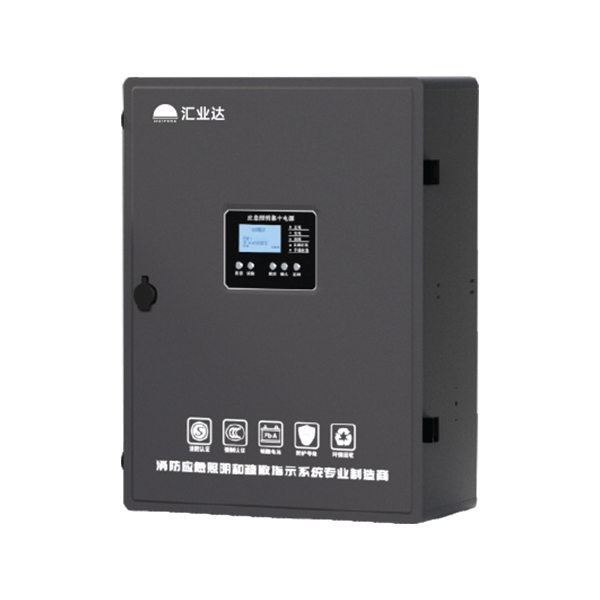
Backup Power (UPS/EPS)
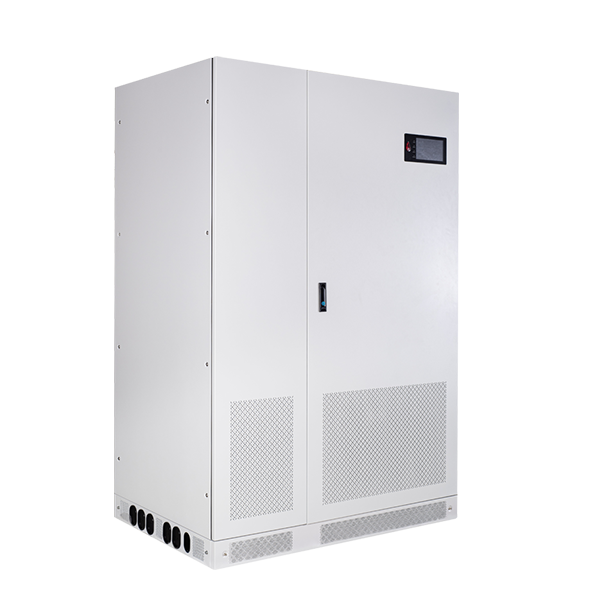
UPS: It mainly protects weak current systems such as communication, signaling, and comprehensive monitoring. For example, in Dongguan Metro Line 1, the UPS of the signaling system ensures zero interruption in command transmission for fully autonomous trains. Metro UPS usually adopts a dual-machine redundancy architecture to ensure that when one fails, the other can seamlessly take over the entire load.
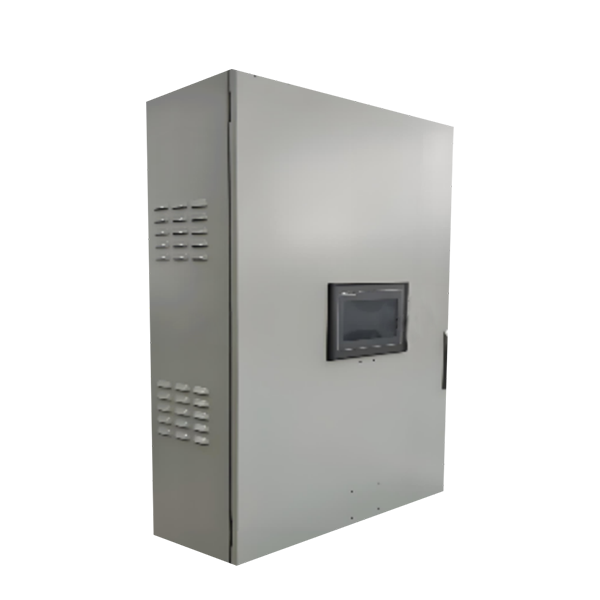
EPS: mainly for strong electrical loads such as fire emergency lighting and smoke exhaust fans. When the mains power fails, EPS can switch to power the battery within milliseconds, buying valuable time for personnel evacuation and rescue.
These systems do not work in isolation, but constitute a defense-in-depth and intelligent collaboration system:
Daily operation: The AC and DC power supply system provides basic power, intelligent lighting power supply and other equipment operate efficiently, and the intelligent monitoring system conducts panoramic monitoring.
When the power grid fluctuates: UPS immediately intervenes to ensure that the core control system is uninterrupted; The smart lighting power supply can be automatically dimmed to reduce the pressure on the power grid.
In case of mains power failure: EPS and emergency evacuation power supply are activated to provide lighting and power for evacuation and rescue; Backup generator sets may be put in.
Under extreme faults: the platform door power supply relies on its highly reliable design (such as DC dual battery packs) to maintain basic functions; Each system responds in an orderly manner under the command of intelligent monitoring to minimize the impact.
All in all, what drives the subway is not only the huge power, but also the energy-saving wisdom that continues to advance. The next time you take the subway, you may be able to pay attention to the strength of the train when accelerating smoothly, the soft light and dark changes of the platform lights, and the precise opening and closing rhythm of the screen door. Behind these smooth experiences is a set of complex and intelligent power supply systems silently supported.
It is like the blood circulation system of the subway, continuously delivering energy to every corner, but hiding itself so well. Perhaps the best technology is just that: indispensable, but almost invisible.
Address: Building C, Haixinguang High-tech Industrial Park, at the intersection of Fengxin Road and Zhenmei Avenue, Guangming New District, Shenzhen City

Please fill in the form below and we will contact you as soon as possible after receiving your information. If you have any questions, please call us.